
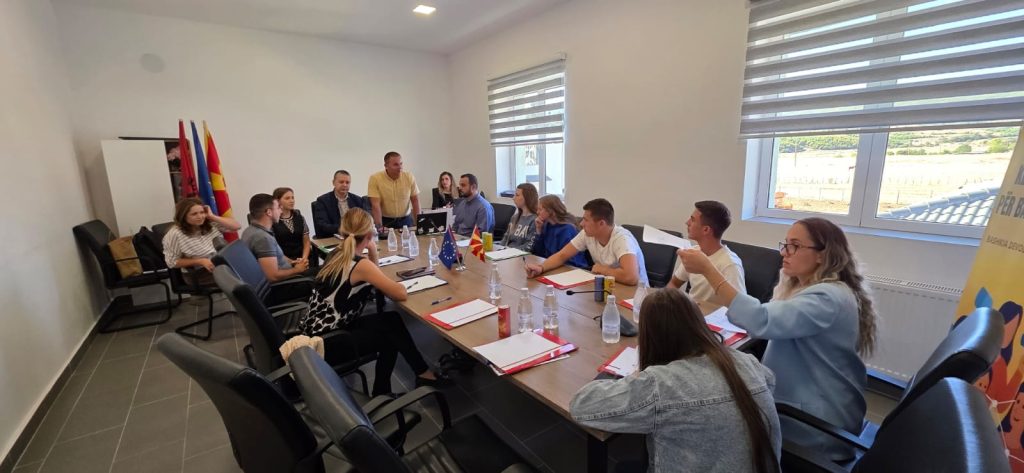
Trajnimi i zhvilluar në Bashkinë Pustec u konceptua si një hapësirë gjithëpërfshirëse mësimi, reflektimi dhe debati mbi rolin e të rinjve në qeverisjen vendore dhe funksionimin e Këshillave Rinorë Vendorë. Ky aktivitet është pjesë e projektit “Këshillat Vendorë Rinorë për Bashki më Pjesëmarrëse”, i cili mbështetet nga Agjencia Kombëtare për Rininë dhe synon të forcojë kapacitetet e të rinjve për të marrë pjesë aktive dhe me ndikim në proceset e politikëbërjes lokale.
Në hapjen e aktivitetit morën fjalën përfaqësues të organizatës “Aktivizmi Letrar dhe Kulturor”, ekspertët e projektit, si edhe nënkryetari i Bashkisë Pustec, i cili përshëndeti pjesëmarrësit dhe theksoi rëndësinë e krijimit të hapësirave për zërin e të rinjve në vendimmarrje. Ai u shpreh se bashkia mbështet çdo nismë që kontribuon në ndërtimin e një kulture bashkëpunimi dhe përgjegjësie qytetare, ku brezi i ri mund të ndjejë se ka rol dhe ndikim real. Në takim mori pjesë Z. Vasil Sterjovski, lehtesues i perzgejdhur per organizimin e aktiviteteve te projektit ne Bashkine Pustec, si dhe z. Atanas Plloça, zv/kryetar i Bashkise Pustec, i cili vlerësoi trajnimet si një mundësi për bashkëjetesë, përfshirje dhe ndërveprim kulturor mes të rinjve të bashkive kufitare.
Në trajnim morën pjesë 15 të rinj dhe të reja nga Pusteci dhe njësitë përreth, duke siguruar balancë gjinore dhe përfaqësim nga zona urbane e rurale. Pjesëmarrësit sollën me vete interesin për të kuptuar më mirë institucionet, si dhe për të ndarë problematikat e përditshme që prekin brezin e tyre – mungesën e hapësirave rinore, papunësinë, mungesën e programeve të zhvillimit kulturor dhe ndjesinë e shkëputjes nga institucionet vendore.
Dita e parë e trajnimit u fokusua në konceptin e pjesëmarrjes politike të të rinjve, duke diskutuar format konvencionale si votimi, përfshirja në partitë politike dhe forumet zyrtare, por edhe format jokonvencionale si nismat qytetare dhe aktivizmi në rrjetet sociale. Diskutimet e udhëhequra nga Prof.Asoc.Dr Ilda Melo (Kovaci) dhe Prof.Asoc.Dr Nadia Peto nxitën reflektimin mbi mënyrat konkrete të përfshirjes së të rinjve në komunitet. Përmes një ushtrimi praktik, pjesëmarrësit hartuan një listë të formave aktuale të pjesëmarrjes dhe identifikuan boshllëqet ekzistuese. Shumica pranuan se në komunitetet e vogla, si Pusteci, pjesëmarrja rinore shpesh kufizohet në aktivitete kulturore e sportive, ndërsa përfshirja në vendimmarrje mbetet e kufizuar. Ky diskutim solli në vëmendje nevojën për të krijuar ura të reja komunikimi midis institucioneve dhe brezit të ri.
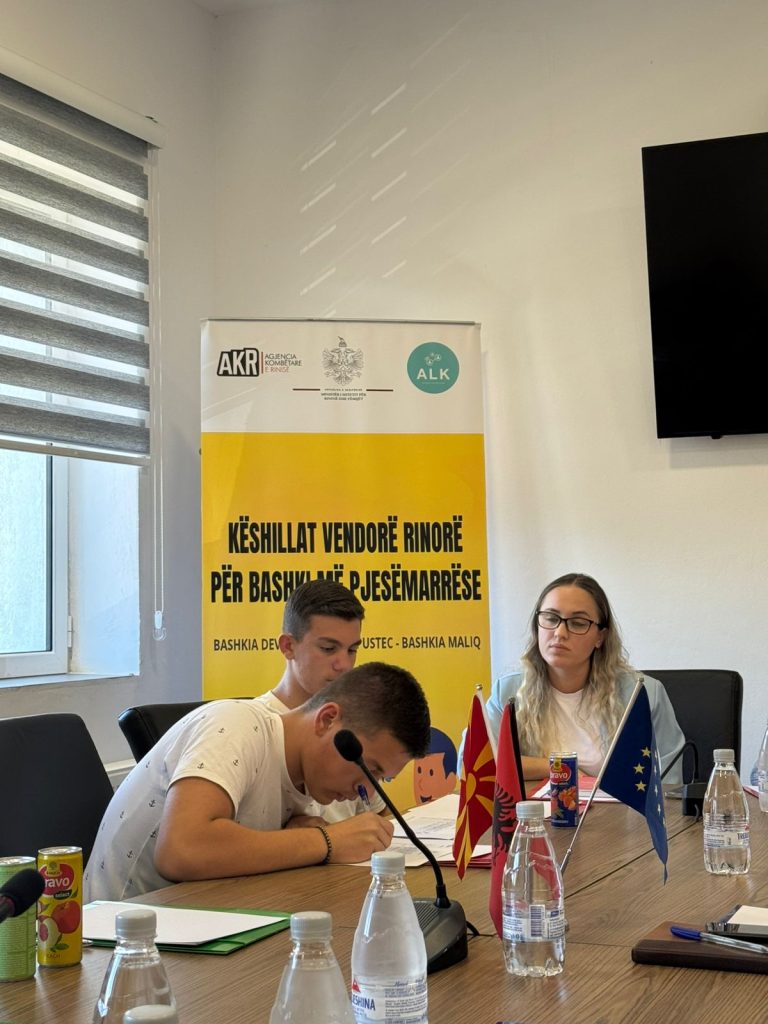
Në vijim, u trajtuan tipologjitë e demokracisë dhe rëndësia e strukturave përfaqësuese rinore. Të rinjtë ngritën shqetësimin se grupet e margjinalizuara – vajzat nga zonat rurale, të rinjtë me aftësi të kufizuara apo ata që përballen me kushte sociale të vështira – mbeten ende të paintegruar në proceset vendimmarrëse. Ky debat u cilësua si një nga momentet më reflektuese të ditës, duke nxitur ndërgjegjësimin për barazinë dhe gjithëpërfshirjen si parime bazë të demokracisë vendore.
Dita e dytë e trajnimit ishte e përqendruar te kuadri ligjor dhe strategjik që rregullon pjesëmarrjen e të rinjve në nivel lokal. Ligji nr. 75/2019 “Për rininë” dhe dispozitat për krijimin e Këshillave Rinorë Vendorë u analizuan në mënyrë të detajuar nga ekspertët e projektit. Diskutimet u zgjeruan me referenca ndaj Strategjisë Kombëtare për Rininë 2022–2029 dhe Strategjisë për Barazinë Gjinore 2021–2030, duke vënë theksin te mekanizmat që garantojnë pjesëmarrjen e të rinjve në zhvillimin e politikave vendore. Pjesëmarrësit ngritën pyetjen thelbësore: a mjafton ligji për të garantuar përfshirjen reale të të rinjve në vendimmarrje? Nga debatet doli qartë se zbatimi i dispozitave ligjore shpesh mbetet formal dhe se mungesa e mbështetjes institucionale e bën funksionimin e këshillave rinorë të vështirë.
Një prej momenteve më interaktive të ditës ishte simulimi i mbledhjes së parë të një Këshilli Rinor Vendor, ku të rinjtë morën role konkrete – kryetar, anëtarë, sekretar – dhe diskutuan mbi një temë lokale me rëndësi për komunitetin. Ky ushtrim u vlerësua si mënyrë efektive për të kuptuar strukturën, funksionet dhe dinamikën e punës në grup. Pjesëmarrësit reflektuan mbi rëndësinë e komunikimit, bashkëpunimit dhe ndarjes së përgjegjësive brenda një strukture përfaqësuese. Në fund të ditës, u nënvizua se ligji është vetëm pikënisje: pjesëmarrja merr kuptim kur të rinjtë e përvetësojnë si detyrë qytetare të kërkojnë transparencë, përgjegjësi dhe përfshirje reale.
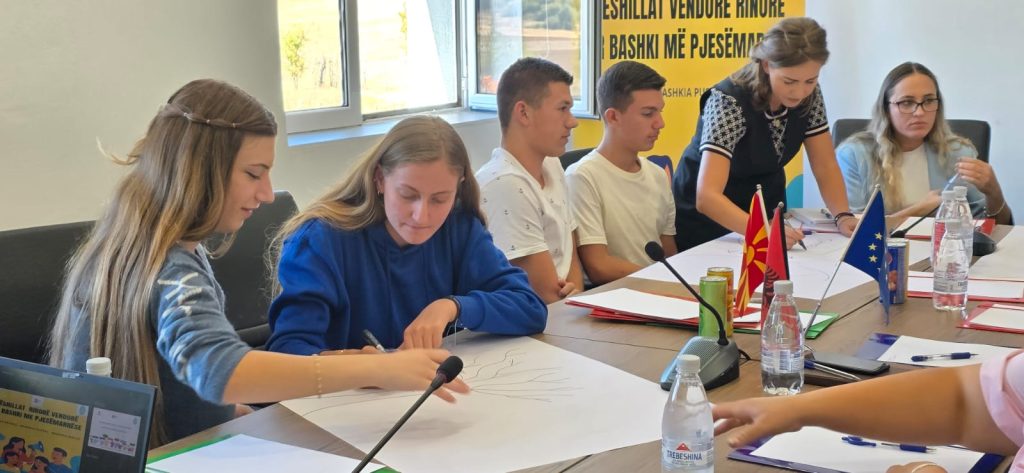
Dita e tretë i kushtohej organizimit të brendshëm të Këshillave Rinorë Vendorë dhe mënyrave për planifikimin vjetor të punës. Përmes “skedave të punës” dhe udhëzimeve të ekspertëve, të rinjtë mësuan si të hartojnë plane konkrete aktivitetesh dhe si të masin ecurinë përmes vetëvlerësimit dhe raportimit periodik. Në punën në grupe, ata përgatitën një plan njëvjeçar që përfshinte objektiva të matshëm dhe prioritete lokale, si krijimi i hapësirave rinore për kulturë e sport, zhvillimi i aktiviteteve ndërgjegjësuese mbi punësimin dhe mjedisin, përfshirja e vajzave dhe e të rinjve nga komunitetet minoritare, si dhe nisma për transparencë në qeverisjen vendore. Ky proces i ndihmoi të rinjtë të shndërrojnë idetë e tyre në plane të zbatueshme dhe të kuptojnë rëndësinë e bashkëpunimit me institucionet lokale.
Në përmbyllje, grupet prezantuan planet e tyre përpara ekspertëve dhe përfaqësuesve të bashkisë, të cilët i vlerësuan për realizëm, kreativitet dhe dëshirë për angazhim. Atmosfera e diskutimeve përfundimtare u karakterizua nga optimizmi dhe besimi se këshillat rinorë mund të shndërrohen në mekanizma realë të pjesëmarrjes qytetare, nëse mbështeten me seriozitet dhe vazhdimësi.
Trajnimi në Pustec dëshmoi se të rinjtë e kanë dëshirën dhe potencialin për t’u përfshirë në jetën publike, por ky potencial kërkon nxitje, orientim dhe mbështetje të qëndrueshme. Problemet e identifikuara gjatë tri ditëve – mungesa e informacionit, e besimit, e fondeve dhe e strukturave funksionale – treguan se procesi i përfshirjes kërkon përpjekje të përbashkët të institucioneve, organizatave dhe vetë komunitetit rinor.
Në përfundim, të rinjtë u larguan nga trajnimet me ndjenjën se pjesëmarrja nuk është thjesht mundësi, por e drejtë dhe përgjegjësi qytetare. Ata u zotuan të angazhohen për ngritjen e Këshillit Rinor Vendor në Pustec dhe të shpërndajnë përvojën e fituar me bashkëmoshatarët e tyre.
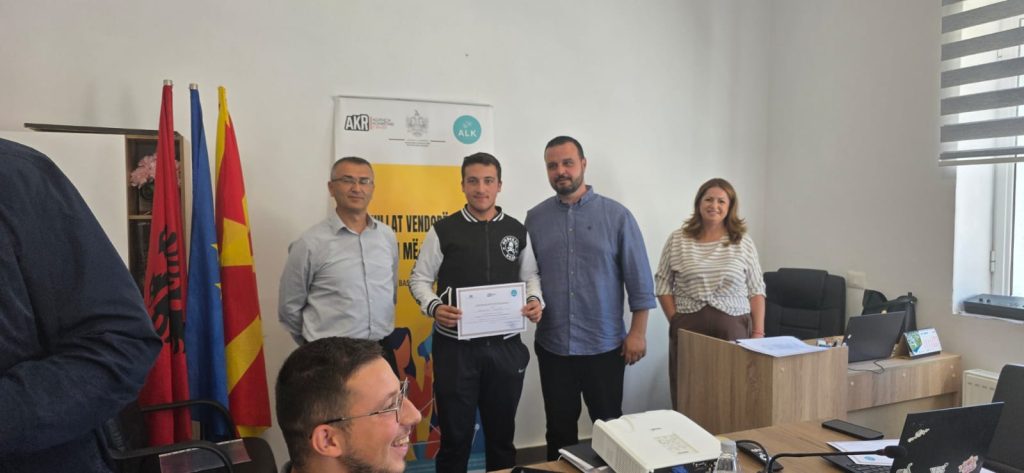
Ky aktivitet u mbyll me ndarjen e certifikatave të pjesëmarrjes dhe me reflektime të përbashkëta mbi rëndësinë e vazhdimësisë së projekteve të tilla. Trajnimi në Pustec tregoi se këshillat rinorë nuk duhet të mbeten struktura formale në letër, por hapësira aktive, gjithëpërfshirëse dhe të qëndrueshme, që i japin zë brezit të ri dhe forcojnë demokracinë lokale në praktikë.
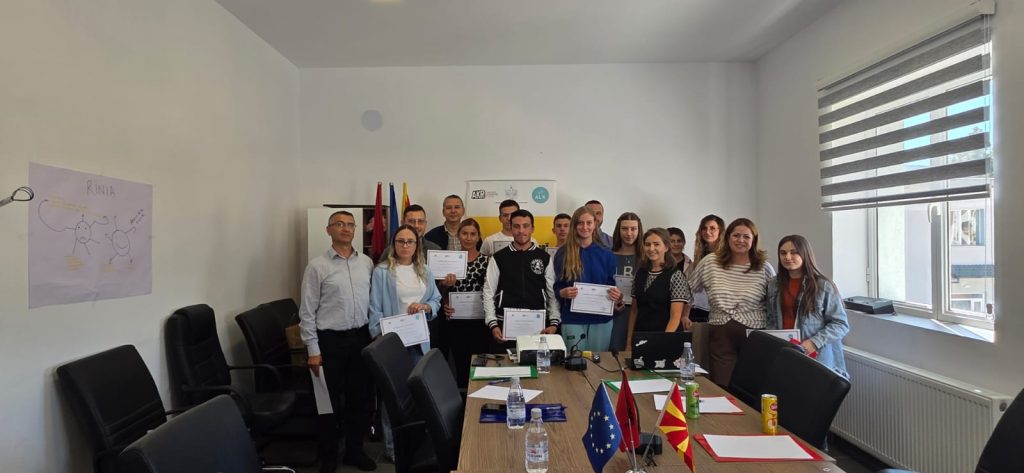
The training held in the Municipality of Pustec was conceived as an inclusive space for learning, reflection, and debate on the role of youth in local governance and the functioning of Local Youth Councils. This activity is part of the project “Local Youth Councils for More Participatory Municipalities”, supported by the National Youth Agency, which aims to strengthen young people’s capacities to participate actively and meaningfully in local policymaking processes.
At the opening of the event, representatives of the organization “Literary and Cultural Activism”, project experts, and the Deputy Mayor of the Municipality of Pustec took the floor, greeting the participants and emphasizing the importance of creating spaces for young people’s voices in decision-making. He stated that the municipality supports every initiative that contributes to building a culture of cooperation and civic responsibility, where the younger generation can feel they have a real role and impact.
The event was also attended by Mr. Vasil Sterjovski, the appointed facilitator for organizing the project’s activities in the Municipality of Pustec, and Mr. Atanas Plloça, the Deputy Mayor of Pustec, who valued the training sessions as an opportunity for coexistence, inclusion, and cultural interaction among youth from neighboring municipalities.
Fifteen young men and women from Pustec and nearby administrative units participated in the training, ensuring gender balance and representation from both urban and rural areas. Participants brought with them a strong interest in better understanding institutions and sharing the everyday challenges that affect their generation — the lack of youth spaces, unemployment, limited cultural development programs, and a sense of detachment from local institutions.
The first day of training focused on the concept of youth political participation, discussing conventional forms such as voting, involvement in political parties, and official forums, as well as non-conventional forms such as civic initiatives and activism on social media. The discussions, guided by Assoc. Prof. Dr. Ilda Melo (Kovaçi) and Assoc. Prof. Dr. Nadia Peto, encouraged reflection on concrete ways for young people to engage in their communities. Through a practical exercise, participants created a list of existing participation forms and identified existing gaps. Most acknowledged that in small communities like Pustec, youth participation is often limited to cultural or sports activities, while involvement in decision-making remains minimal. This discussion highlighted the need to create new communication bridges between institutions and the younger generation.
The following sessions addressed the typologies of democracy and the importance of representative youth structures. Young participants raised concerns that marginalized groups — girls from rural areas, youth with disabilities, or those facing difficult social conditions — remain largely excluded from decision-making processes. This debate was described as one of the most reflective moments of the day, raising awareness about equality and inclusion as fundamental principles of local democracy.
The second day of training focused on the legal and strategic framework governing youth participation at the local level. Law no. 75/2019 “On Youth” and the provisions for establishing Local Youth Councils were analyzed in detail by the project experts. The discussions expanded with references to the National Youth Strategy 2022–2029 and the Gender Equality Strategy 2021–2030, emphasizing mechanisms that ensure youth participation in local policy development. Participants posed a crucial question: Is the law alone enough to guarantee real youth involvement in decision-making? The debates revealed that implementation often remains formal, and the lack of institutional support makes the functioning of youth councils difficult.
One of the most interactive moments of the day was the simulation of the first meeting of a Local Youth Council, where participants took on specific roles — chairperson, members, secretary — and discussed a local issue of importance to the community. This exercise was highly appreciated as an effective way to understand the structure, functions, and group work dynamics. Participants reflected on the importance of communication, cooperation, and responsibility-sharing within a representative structure. By the end of the day, it was emphasized that laws are only a starting point — participation gains meaning when young people internalize it as a civic duty to demand transparency, accountability, and genuine inclusion.
The third day focused on the internal organization of Local Youth Councils and methods for annual work planning. Through work templates and expert guidance, young participants learned how to draft concrete activity plans and measure progress through self-assessment and periodic reporting. Working in groups, they prepared a one-year plan that included measurable objectives and local priorities such as creating youth spaces for culture and sports, developing awareness activities on employment and the environment, including girls and youth from minority communities, and launching transparency initiatives in local governance. This process helped participants turn their ideas into actionable plans and understand the importance of cooperation with local institutions.
In conclusion, the groups presented their plans before experts and municipal representatives, who evaluated them for realism, creativity, and commitment. The final discussions were characterized by optimism and the belief that youth councils can become real mechanisms of civic participation if supported seriously and consistently.
The training in Pustec demonstrated that young people have both the desire and potential to engage in public life, but this potential requires encouragement, guidance, and sustainable support. The issues identified during the three days — lack of information, trust, funding, and functional structures — showed that the inclusion process requires joint efforts by institutions, organizations, and the youth community itself.
At the end, participants left the training with the understanding that participation is not only an opportunity but also a right and a civic responsibility. They pledged to engage in establishing the Local Youth Council in Pustec and to share their experience with their peers.
The activity concluded with the distribution of participation certificates and joint reflections on the importance of continuity for such initiatives. The training in Pustec clearly showed that youth councils should not remain formal structures on paper but active, inclusive, and sustainable spaces that give voice to the younger generation and strengthen local democracy in practice.